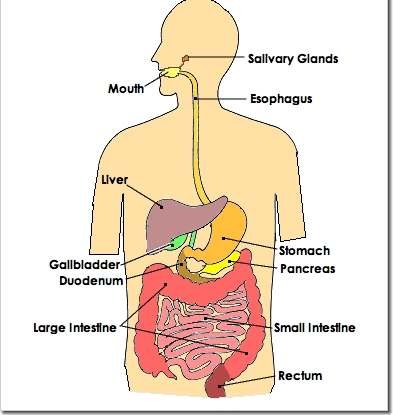
The human digestive system is a complex system responsible for breaking down food and absorbing nutrients to provide energy for the body. It begins in the mouth where food is chewed and mixed with saliva, which contains enzymes that begin the digestion of carbohydrates.
The food then moves through the esophagus and into the stomach, where it is further broken down by digestive enzymes and stomach acid. From the stomach, the partially digested food passes into the small intestine, where it is mixed with enzymes from the pancreas and bile from the liver, which helps to break down fats.
Nutrients such as carbohydrates, proteins, and fats are absorbed through the walls of the small intestine and into the bloodstream, which carries them to the liver for processing. The remaining waste material passes into the large intestine, where water is absorbed and the remaining waste is formed into feces.
The feces are stored in the rectum until they are eliminated through the anus during a bowel movement. The entire process of digestion takes around 24 to 72 hours, depending on the type of food and individual factors such as age and health status.
 Okay Ai
Leave a comment