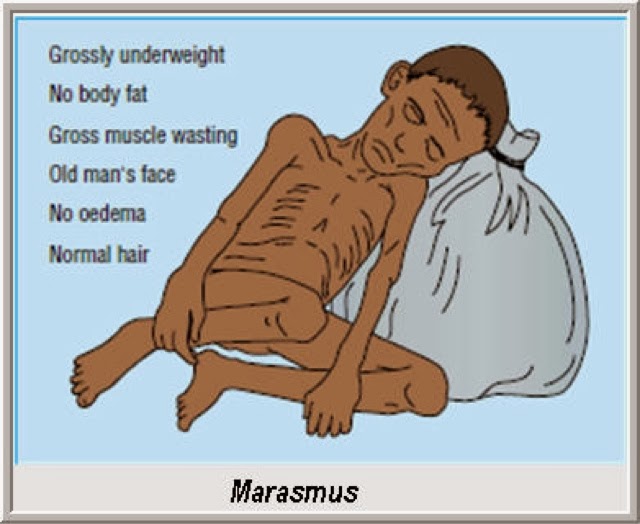
Marasmus is a severe form of malnutrition that occurs when a person’s diet is deficient in both protein and calories. It is most commonly seen in developing countries where access to adequate food sources is limited.
The condition is characterized by extreme wasting of muscle and body fat, resulting in a skeletal appearance. Other symptoms may include dehydration, diarrhea, and weakened immune function. Children with marasmus may also experience stunted growth and developmental delays.
Treatment typically involves gradually reintroducing a nutritionally balanced diet that provides adequate protein, calories, and other essential nutrients. In severe cases, hospitalization and intravenous feeding may be necessary.
Prevention of marasmus involves ensuring that individuals have access to a diverse and balanced diet that includes adequate amounts of protein, calories, and other essential nutrients. It is also important to address underlying social and economic factors that may contribute to malnutrition, such as poverty and food insecurity.
 Okay Ai
Leave a comment